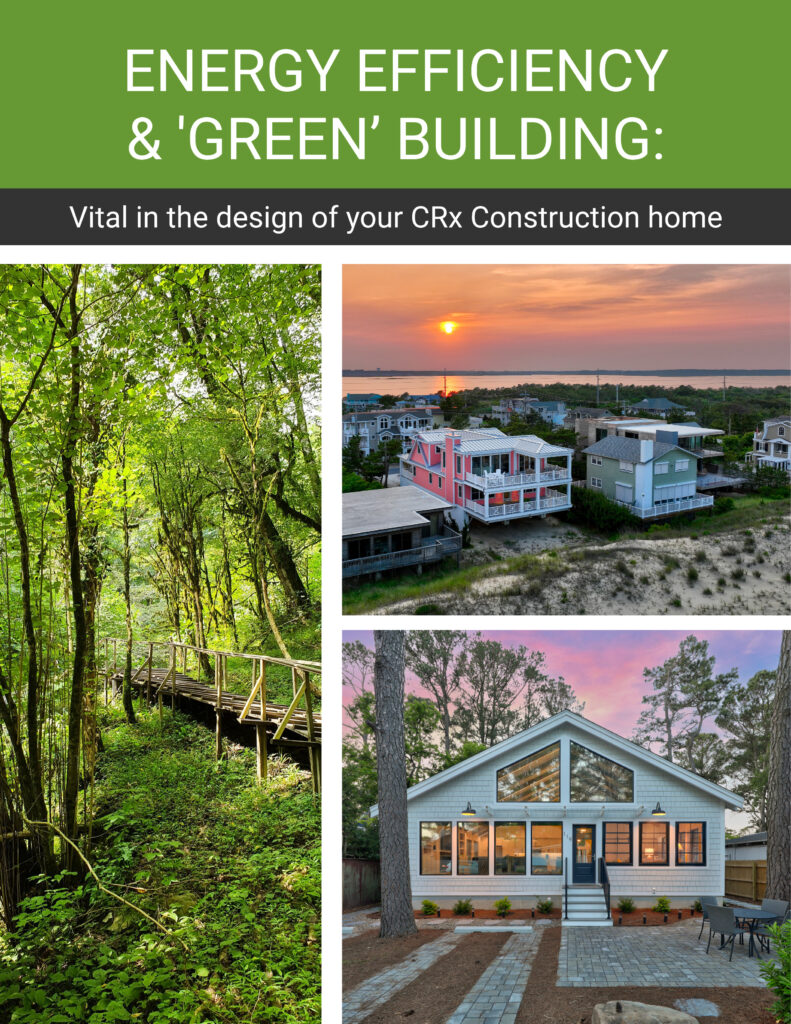
A dock or bulkhead on Delaware waterfront needs approval from DNREC before anything is driven into the ground. Structures in privately owned subaqueous lands and tidal wetlands require a permit, structures in publicly owned subaqueous lands require a lease, and both go out for public comment.
The Land Under the Water Is Not Automatically Yours
This is the concept that catches buyers. Owning waterfront property does not automatically mean owning the bottom beneath the water, or the right to build on it.
Delaware distinguishes between the two situations directly. DNREC issues permits for the placement of structures in privately owned subaqueous lands and tidal wetlands, and leases for the placement of structures in publicly owned subaqueous lands. Which one applies to your property is a question of title and location, and it is answered before a design is worth paying for.
Most entities are required to obtain a permit to construct in the waters or tidal wetlands of the state. The assumption should be that approval is needed, not that it is not.
What Triggers an Application
Owners tend to think of this as a dock question. It is broader than that.
Anything placed in state waters or tidal wetlands falls into the conversation: piers and docks, boat lifts, bulkheads and shoreline stabilization, living shorelines, ramps and dredging. So does work that looks like maintenance from the yard but constitutes construction in regulated waters from the agency’s side.
The safest habit on a waterfront lot is to treat any work below the top of bank as regulated until someone confirms otherwise. That confirmation is a phone call, and it is far cheaper than a stop-work order.
Permits, Leases and How Long They Last
Permits issued by the Wetlands and Subaqueous Lands Section are valid for one to three years depending on type.
That window matters on a custom home. An approval obtained during lot due diligence can expire before the house is finished if the shoreline work was scheduled for the end of the project. Sequencing the water-side work against the life of the approval is part of planning the build rather than an afterthought.
It is the same discipline that governs the septic and well approvals on a lot that is not on public systems, where a five-year clock quietly runs in the background.
Public Notice Is Part of the Process
Applications for subaqueous lands leases and permits are published for public comment, and that step is a real part of the schedule rather than a formality.
A public hearing is not automatically held. It occurs if the Secretary of DNREC determines a hearing is in the public interest, or if a hearing request is received within 20 days of the notice. A request is treated as meritorious when it shows familiarity with the application and offers a reasoned statement of the probable impact of the action.
The practical implication is that neighbours and interested parties have a defined window to weigh in. Applications that are well prepared and modest in scope generally move through it. Applications that surprise the neighbourhood sometimes do not.
Shoreline Approvals at a Glance
What a waterfront project in coastal Delaware has to clear before work begins at the water.
| # | Step | Who Handles It | What It Decides |
|---|---|---|---|
| 1 | Title and bottom ownership | Survey and title work | Permit or lease, or both |
| 2 | Wetlands delineation | Environmental consultant | Where regulated area begins |
| 3 | Application to DNREC | Wetlands and Subaqueous Lands | Whether the structure is approved |
| 4 | Public notice period | DNREC | Whether a hearing is requested |
| 5 | Approval duration | Type dependent | One to three years to build |
| 6 | Community covenants | Association | Dock size, style, sometimes a ban |
| 7 | County building permit | Sussex County | The house itself |
| 8 | Construction sequencing | Builder | Water-side work inside approvals |
Bulkhead, Revetment or Living Shoreline
Shoreline stabilization is not one product, and the choice is partly regulatory and partly physical.
A bulkhead is a vertical wall that holds a defined edge. It is familiar and it suits certain conditions, but it reflects wave energy rather than absorbing it, which can affect the bottom in front of it and the neighbouring shoreline. A revetment of stone absorbs energy differently. A living shoreline uses plantings and natural materials to hold the edge while preserving habitat.
Which approach is appropriate depends on exposure, energy, existing conditions and what the agency will approve for that location. This is not a decision to make from a catalogue, and it is worth having the conversation before the house is designed, because the answer affects grading, drainage and where outdoor living can sit.
The Waterfront Lot Still Has to Build a House
Everything above concerns the water side. The land side carries its own constraints, and on a waterfront parcel they interact.
Flood elevation typically pushes the living level up, which affects sightlines to the water and the design of the stair and entry sequence. Elevation requirements and the shoreline decision are related, because both determine where the house can sit and how it meets the ground. Exposure on an open waterfront also raises structural loads, which is covered in our guide to coastal wind design.
And the water table on a waterfront lot shapes foundation choices, which is why below-grade space is rare here.
Where Communities Add Their Own Rules
State approval is not the last word. Many waterfront communities regulate dock length, style, lighting and whether a dock is permitted at all, through covenants enforced by the association rather than the state.
Two approvals, two timelines, two rulebooks. Confirming both belongs in the same review as architectural committee approval, and the time to do it is before the lot is under contract.
What to Confirm Before You Buy Waterfront
The questions are specific and they are answerable in advance.
Where does your title actually end. Is the bottom privately or publicly owned, and therefore is this a permit, a lease or both. Is there an existing dock or bulkhead, and does it have valid approvals or is it grandfathered by nothing more than age. Where does the wetlands line fall and how much of the buildable area does it take. And what do the community covenants allow at the water.
An existing structure with no traceable approval is a liability rather than an amenity, and it is far better to discover that before closing than when you apply to replace it. The same principle runs through buying land to build on generally.
Sequencing Water-Side Work Against the Build
On a waterfront project there are effectively two job sites, and they do not run on the same calendar.
The house follows county permitting, trades and inspections. The dock, bulkhead or shoreline work follows DNREC approval, its public notice window and whatever marine contractor can reach the site. Barge access, tides and seasonal restrictions all narrow when that second crew can actually work.
Getting the order wrong is expensive in a specific way. Finish the landscaping and the decks and outdoor living areas before the marine contractor arrives and you will pay to repair access routes that heavy equipment has to cross. Communities like North Shores are tight enough that the staging route for water-side work is a real planning question rather than a detail.
The answer is to plan both sequences together from the start, with the water-side approvals filed early enough that the work can happen while the site is still a construction site.
Planning Waterfront Work With CRx Construction
Dion Lamb and the CRx team treat the water-side approvals as part of the project schedule from the first conversation, because they run on their own clock and they cannot be compressed at the end.
If you are evaluating a waterfront property, the questions above take a few days to answer and they change what the lot is worth to you. Finished homes are in our portfolio, and the same approach applies whether you build with us or another Delaware custom home builder.
Our free planning guides cover the rest of the due diligence. When you have a property in mind, schedule an Idea Session and bring the survey.
Delaware Waterfront Permits FAQ
Do I need a permit to build a dock in Delaware?
+
Almost certainly. Most entities are required to obtain approval to construct in the waters or tidal wetlands of the state. DNREC issues permits for structures in privately owned subaqueous lands and tidal wetlands, and leases for structures in publicly owned subaqueous lands.
What is the difference between a permit and a lease?
+
It turns on who owns the bottom. A permit covers placing structures in privately owned subaqueous lands and tidal wetlands. A lease covers placing structures in publicly owned subaqueous lands. Which applies to your property depends on title and location.
Does owning waterfront mean I own the bottom?
+
Not automatically. Waterfront ownership and ownership of the land beneath the water are separate questions, which is exactly why Delaware distinguishes between permits and leases. Establish where your title ends before designing anything at the water.
How long is an approval valid?
+
Permits are valid for one to three years depending on type. On a custom home that matters, because an approval obtained during due diligence can expire before the shoreline work is built if the water-side scope was left to the end of the project.
Is there a public comment period?
+
Yes. Applications are published for public comment. A public hearing is not held automatically; it occurs if the Secretary of DNREC determines one is in the public interest, or if a hearing request is received within 20 days of the notice.
What makes a hearing request count?
+
A request is deemed meritorious if it exhibits familiarity with the application and provides a reasoned statement of the action’s probable impact. A general objection carries less weight than a specific, informed one.
What work besides a dock is regulated?
+
Piers, boat lifts, bulkheads and shoreline stabilization, living shorelines, ramps and dredging all fall into the conversation, along with work that looks like maintenance from the yard. Treat anything below the top of bank as regulated until someone confirms otherwise.
Bulkhead or living shoreline?
+
It depends on exposure, wave energy, existing conditions and what will be approved for that location. A bulkhead holds a defined edge but reflects energy; stone revetments and living shorelines absorb it differently. The choice affects grading and outdoor living, so decide it early.
What if the property already has a dock?
+
Confirm it has valid approvals rather than assuming age equals permission. An existing structure with no traceable approval is a liability rather than an amenity, and the problem usually surfaces when you apply to repair or replace it.
Can my community restrict a dock?
+
Yes. Many waterfront communities regulate dock length, style and lighting, or prohibit docks entirely, through covenants enforced by the association rather than the state. That is a separate approval with its own timeline and its own rulebook.
Settle the Water Before the House
Waterfront property is bought for the water, and the water is the part with the longest approval clock.
Answer the title, wetlands and approval questions first, and the house that follows sits properly on what the lot can actually support.

Dion Lamb is the founder and President of CRx Construction, a luxury custom home builder and remodeler serving Rehoboth Beach, Dewey Beach, Lewes, Bethany Beach, and Fenwick Island, Delaware. Since founding CRx in 2016, Dion has led the firm to a #1 Houzz ranking in Rehoboth Beach and Dewey Beach and a 5-star reputation, guiding homeowners through his trademarked “5 Simple Steps” design-build process. CRx is a member of NAHB, the Home Builders Association of Delaware (HBADE), and the Certified Luxury Builders Network, and a Regal Award winner for Best Luxury Custom Home Design.