Choosing Exterior Cladding for Salt Air, Wind and Coastal Weather
The best siding for coastal homes in Bethany Beach is not determined by appearance alone. Fiber cement, cedar shingles and vinyl can all be used successfully in the right application, but they respond differently to salt air, wind-driven rain, ultraviolet exposure, impact, moisture and ongoing maintenance.
The exterior wall must be considered as a complete assembly. Siding is the visible surface, while flashing, drainage, air gaps, fasteners, trim and transitions manage the water that inevitably reaches the wall. A premium product cannot compensate for weak detailing behind it.
For homeowners planning a custom home in Bethany Beach, the right choice depends on the property’s exposure, architectural style, maintenance expectations and budget. This guide compares the leading siding options and explains what should be decided before the exterior elevations are finalized.
Exterior Cladding at a Glance
Compare appearance, maintenance and coastal considerations before selecting a siding system for a Bethany Beach home.
| # | Material | Primary Strength | Coastal Consideration |
|---|---|---|---|
| 1 | Fiber cement | Stable, versatile and resistant to rot | Requires correct clearances, flashing and sealed cuts |
| 2 | Cedar shingles | Authentic coastal texture and character | Needs drying space and an intentional maintenance plan |
| 3 | Vinyl siding | Lower maintenance and initial cost | Wind rating, fastening and thermal movement are critical |
| 4 | Engineered wood | Wood appearance with uniform dimensions | Edges, coatings and product-specific requirements matter |
| 5 | Composite cladding | Stable profiles and contemporary options | Confirm attachment systems, availability and installer experience |
Why Bethany Beach Exposure Changes the Siding Decision
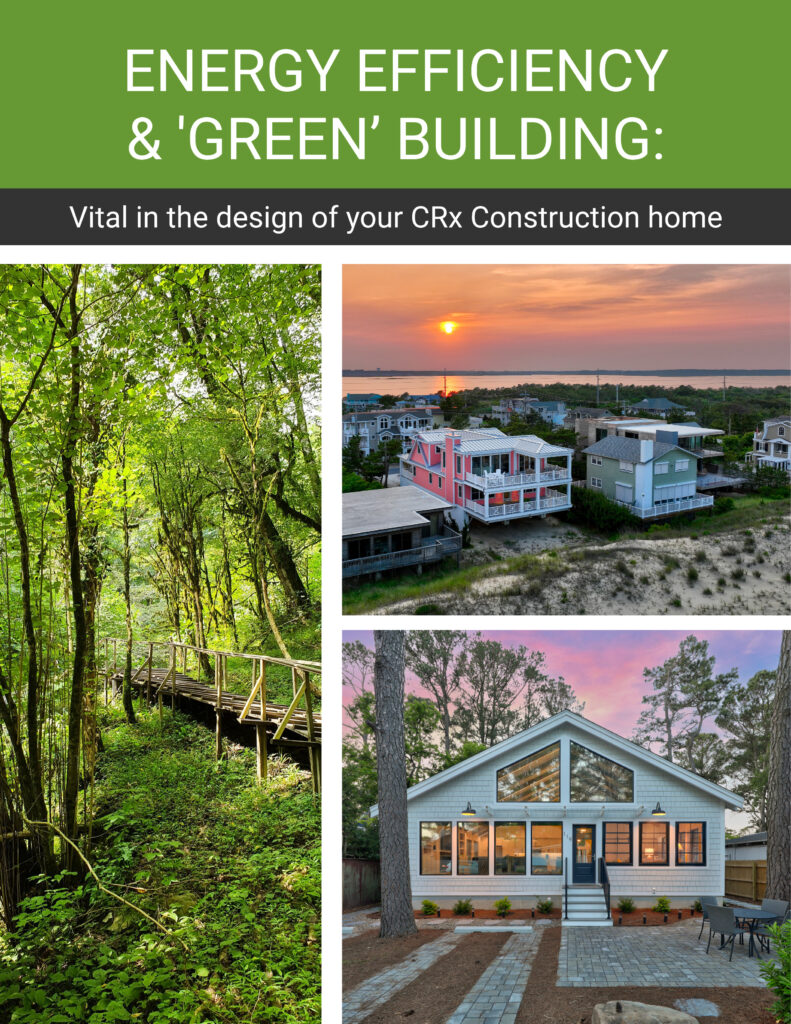
Selecting the best siding for coastal homes in Bethany Beach starts with understanding how coastal weather affects homes differently from inland conditions. Airborne salt holds moisture against surfaces and accelerates corrosion. Wind pushes rain into joints and transitions. Strong sun can fade pigments and create expansion and contraction, while humid conditions slow drying.
Exposure also varies within Bethany Beach. An ocean-facing property may receive more wind and salt than a protected home farther inland, but distance from the water does not remove the need for coastal detailing. Salt can travel well beyond the dunes, and sheltered walls can sometimes dry more slowly than exposed ones.
The broader CRx guide to coastal home building materials in Delaware covers fasteners, connectors, windows and roofing. This article focuses specifically on siding and exterior cladding so homeowners can compare the visible material without overlooking the wall system behind it.
Comparing the Main Siding Options for Bethany Beach Homes
Fiber Cement Siding
Fiber cement is widely considered for coastal homes because it offers dimensional stability, resistance to rot and insects, and a broad range of profiles. It can reproduce the appearance of lap siding, shingles or panels while supporting both traditional and contemporary architecture.
Its performance still depends on correct clearances, flashing, sealed field cuts and manufacturer-approved fastening. Fiber cement is heavier than vinyl or wood, and installers must handle it carefully to avoid damaged edges. Factory-applied finishes can create consistent color, while field finishing allows greater customization.
Fiber cement may be appropriate when:
- The design calls for a crisp painted appearance.
- Owners want lower routine maintenance than natural cedar.
- The elevations combine lap siding, panels or shingle-style accents.
- Resistance to rot and insects is a high priority.
Cedar Shingles and Wood Siding
Cedar delivers the natural texture associated with classic coastal architecture. It can weather to a silver-gray tone or receive stains and coatings that preserve a more uniform appearance. For many Bethany Beach homes, its visual depth is difficult to duplicate with manufactured products.
Wood requires more active maintenance. Moisture management, ventilation behind the cladding, compatible fasteners and coating schedules all matter. Owners should decide whether they want natural weathering or a maintained finish before installation, because that choice changes both the specification and long-term expectations.
Cedar may be appropriate when:
- Authentic natural texture is central to the architectural concept.
- The owner accepts periodic inspection and refinishing.
- The wall assembly includes thoughtful drainage and drying space.
- Details are designed to prevent trapped moisture at corners and transitions.
Vinyl Siding
Vinyl siding can offer a lower initial cost, simple cleaning and freedom from repainting. It is lightweight and available in many colors and profiles, making it a practical option for certain projects.
Coastal performance requires attention to wind rating, fastening and panel movement. Vinyl expands and contracts with temperature, so panels must be installed without being pinned too tightly. Darker colors can absorb more heat, and damaged sections may be difficult to match after years of weathering.
Vinyl may be appropriate when:
- Initial budget and straightforward maintenance are major considerations.
- A product with an appropriate wind rating is selected.
- The installation follows required fastening and movement tolerances.
- The owner understands potential color-matching limitations for future repairs.
Engineered Wood Siding
Engineered wood combines wood fibers or strands with resins and protective treatments. It can provide the warmth of wood with more uniform dimensions and lighter handling than fiber cement. Product specifications vary, so suitability must be assessed by manufacturer, exposure and installation requirements.
Edges, penetrations and clearances require careful treatment. As with every cladding system, water management behind the siding is essential. Engineered wood should not be selected only from a showroom sample; the warranty, coating system and coastal installation requirements deserve equal attention.
Composite and Specialty Cladding
Composite cladding includes a growing range of products made to deliver stability, low maintenance and contemporary profiles. Some work well as full exterior systems, while others are best used as architectural accents alongside fiber cement, masonry or wood.
These products can support distinctive designs but may involve specialized attachment systems, lead times and installer requirements. The team should confirm corner details, trim compatibility, ventilation and replacement availability before committing to the exterior palette.
Installation Details Matter as Much as the Siding Product
Siding is designed to shed most water, not to make the wall completely waterproof. Wind-driven rain can enter at joints, corners, windows, doors and roof intersections. The drainage plane behind the cladding must direct that water outward while allowing the assembly to dry.
Drainage and Ventilation
A weather-resistant barrier, properly integrated flashing and, where appropriate, a ventilated rainscreen create a path for drainage and drying. This is especially important behind wood and on walls with limited sun or airflow.
Fasteners and Corrosion Resistance
Fasteners must be compatible with the siding and the coastal environment. Stainless steel or appropriately coated fasteners may be required depending on exposure and manufacturer instructions. The fastener is mostly hidden after construction, but its failure can stain, loosen or damage the visible cladding.
Windows, Doors and Transitions
Exterior failures commonly begin where materials meet. Window heads, door sills, deck ledgers, roof-to-wall intersections, penetrations and changes between siding types require clear flashing sequences. Attractive trim should never conceal an unresolved drainage path.
Clearances and Splashback
Siding needs appropriate separation from roofs, decks, grade and other surfaces where water or debris can collect. Maintaining these clearances helps reduce moisture exposure and makes inspection easier over the life of the home.
How to Select the Right Siding for Your Bethany Beach Home
The best siding for coastal homes in Bethany Beach is the system that fits the property rather than a single material that is automatically best for every project. The most durable choice is the one matched to the exposure, architecture, detailing and maintenance commitment of the owner.
Begin with the home’s design intent. A traditional shingle-style residence may justify natural cedar in highly visible areas, while fiber cement can provide a similar rhythm with different maintenance expectations. A contemporary home may combine panels and specialty cladding to emphasize clean lines.
Next, evaluate exposure by elevation. The ocean-facing wall, shaded side walls and protected porch areas may experience different levels of salt, sun, wind and drying. Some custom homes use more than one siding material because each facade has a different architectural and environmental role.
Finally, compare life-cycle expectations rather than initial price alone. Include cleaning, repainting, staining, repair availability and the consequences of incorrect installation. The quality of detailing and coastal craftsmanship can have more influence on long-term performance than the brand name printed on the siding package.
Bethany Beach Siding FAQ
What is the best siding for coastal homes in Bethany Beach?
+
Fiber cement is often selected for stability and lower routine maintenance, while cedar offers authentic coastal character and vinyl can meet practical budget goals. The best choice depends on exposure, architecture, detailing and maintenance expectations.
Does salt air damage exterior siding?
+
Salt air can accelerate corrosion, hold moisture against surfaces and shorten the life of finishes and metal components. Siding, fasteners, flashing and trim should therefore be specified as one coastal exterior system.
Is fiber cement suitable for homes near the ocean?
+
It can be a strong option when installed with correct clearances, flashing, sealed cuts and approved fasteners. Its resistance to rot and broad range of profiles make it useful for many coastal designs.
How much maintenance does cedar siding require?
+
Maintenance depends on whether the cedar is allowed to weather naturally or is stained or coated. Owners should plan for regular inspection, cleaning and periodic finish renewal where a maintained appearance is desired.
Can vinyl siding withstand coastal wind?
+
Products have different wind ratings. Coastal use requires an appropriately rated system installed with the correct fastening pattern and enough room for thermal movement.
What is a rainscreen behind siding?
+
A rainscreen creates a drainage and ventilation space behind the cladding. It helps water move outward and allows the wall to dry, which can be particularly valuable in humid coastal conditions.
Why are siding fasteners important near the coast?
+
Salt accelerates corrosion. Incompatible or insufficiently protected fasteners can stain siding, lose holding strength or damage the cladding even when the visible material remains sound.
Can different siding materials be combined on one home?
+
Yes. Custom homes often combine lap siding, shingles, panels or specialty cladding to establish hierarchy and respond to different exposures. Every transition must be flashed and detailed correctly.
Does darker siding fade faster in coastal sunlight?
+
Color performance depends on the material and finish, but darker surfaces generally absorb more heat and can make fading or movement more noticeable. Review finish warranties and exposure before selecting a dark palette.
When should siding be selected during custom-home design?
+
Select the exterior system during design development, early enough to coordinate wall thickness, windows, trim, flashing, structural attachments, color and budget before construction documents are completed.
Download Free Custom-Home Planning Guides
Use CRx Construction’s complimentary guides to organize your exterior priorities, budget and early design decisions.
Choose the Exterior as a Complete Coastal System
Choosing the best siding for coastal homes in Bethany Beach connects appearance with performance. Fiber cement, cedar, vinyl, engineered wood and composite cladding each bring different benefits, but none should be evaluated separately from the drainage plane, fasteners, flashing and maintenance plan.
CRx Construction coordinates architecture, material selection and coastal detailing so the exterior supports both the character of the home and its long-term exposure. Review our custom home portfolio or contact the CRx team to discuss a Bethany Beach property and the exterior materials that fit its design.
Learn More About CRx Construction
Follow CRx Construction on Facebook.

Dion Lamb is the founder and President of CRx Construction, a luxury custom home builder and remodeler serving Rehoboth Beach, Dewey Beach, Lewes, Bethany Beach, and Fenwick Island, Delaware. Since founding CRx in 2016, Dion has led the firm to a #1 Houzz ranking in Rehoboth Beach and Dewey Beach and a 5-star reputation, guiding homeowners through his trademarked “5 Simple Steps” design-build process. CRx is a member of NAHB, the Home Builders Association of Delaware (HBADE), and the Certified Luxury Builders Network, and a Regal Award winner for Best Luxury Custom Home Design.