Flood insurance for a Delaware beach home typically runs a few hundred to a couple of thousand dollars a year, and the number is driven almost entirely by the house itself — how high its lowest floor sits, how close it is to the water, and how it is built. In Delaware, the average National Flood Insurance Program premium falls in the several-hundred-dollar range, but a coastal property can sit well above or below that.
If you own or are buying a home on the Sussex County coast, flood insurance is one of the largest ongoing costs after the mortgage, and one of the most misunderstood. The good news is that much of the premium is within your control — not through the policy you pick, but through how high and how well the home is built. This guide explains what drives the cost and what genuinely lowers it.
A note first: CRx Construction builds and elevates coastal homes; we are not an insurance provider or agent. Treat the numbers here as general ranges and confirm your own policy details with a licensed flood insurance professional.
Do You Need Flood Insurance on a Delaware Beach Home?
In much of coastal Delaware, the answer is effectively yes. More than a fifth of all properties in Sussex County sit within an identified floodplain, and if your home is in a high-risk flood zone and carries a federally backed mortgage, your lender will require flood insurance. Standard homeowners policies do not cover flood damage, so this is a separate policy.
Even outside the mandatory zones, flooding is the most common and costly natural disaster in the country, and coastal storms do not respect the lines on a map. Many owners along the shore carry a policy by choice. Whether you are building new with a Delaware custom home builder or buying an existing beach house, flood coverage is part of the true cost of coastal ownership.
What Flood Insurance Typically Costs on the Coast
Nationally, the average NFIP premium is in the neighborhood of roughly $1,000 a year, or about $80 a month, under current program rates. In Delaware, the statewide average tends to sit somewhat below that, in the several-hundred-dollar range, because it blends lower-risk inland policies with higher-risk coastal ones.
That average is close to meaningless for any single beach home, though. A property right on the water with a low first floor can pay well into the thousands, while a nearby home elevated on pilings can pay a fraction of that. The premium reflects the individual house, not a regional flat rate. Understanding what goes into that calculation is how you get a handle on the number.
NFIP vs. Private Flood Insurance
Most coastal Delaware owners are insured through the National Flood Insurance Program, the federal program administered by FEMA. It offers standardized coverage with limits on building and contents.
A growing private flood insurance market also exists, and for some higher-value coastal homes it can offer higher coverage limits or a different price than the NFIP. It is worth having an agent quote both, because the right answer depends on the specific home, its elevation and its value. Neither market rewards guesswork — both price the actual risk of the actual structure.
How Risk Rating 2.0 Prices Your Home
Since FEMA moved to its current pricing approach, often called Risk Rating 2.0, the NFIP prices each property on its own characteristics rather than lumping everyone in a zone together. The factors that carry the most weight are exactly the ones a builder pays attention to.
Distance to the coast or a flooding source, the ground elevation of the lot, the height of the lowest floor above that ground, the foundation type, and the replacement cost of the home all feed the rate. The frequency of flooding at that precise location matters too. In plain terms: a well-elevated, well-built home in the same neighborhood as a low, dated one will usually be priced very differently — and in your favor.
What Actually Lowers Your Premium
This is where owners have real leverage. The single biggest lever is elevation — specifically, how high the lowest floor sits relative to the base flood elevation. A home whose first floor is raised above the required level is treated as lower risk, and the premium follows.
Other levers help as well. Elevating mechanical equipment — the HVAC, water heater and electrical panel — above the flood level reduces risk and can reduce the rate. Flood vents in an enclosed lower area let water pass through instead of building pressure against the walls. Choosing a higher deductible lowers the premium in exchange for more out-of-pocket exposure in a claim. And where a community participates in the Community Rating System, every policyholder in that community can receive a discount ranging from 5% up to 45%.
What Moves a Flood Premium at a Glance
The factors that most affect what a coastal Delaware home pays for flood insurance.
| No. | Factor | Effect on Premium | Owner’s Leverage |
|---|---|---|---|
| 01 | First-floor height | Higher floor, lower risk and rate | High — set at design or by elevating |
| 02 | Distance to water | Closer to the source, higher rate | Low — fixed by the lot |
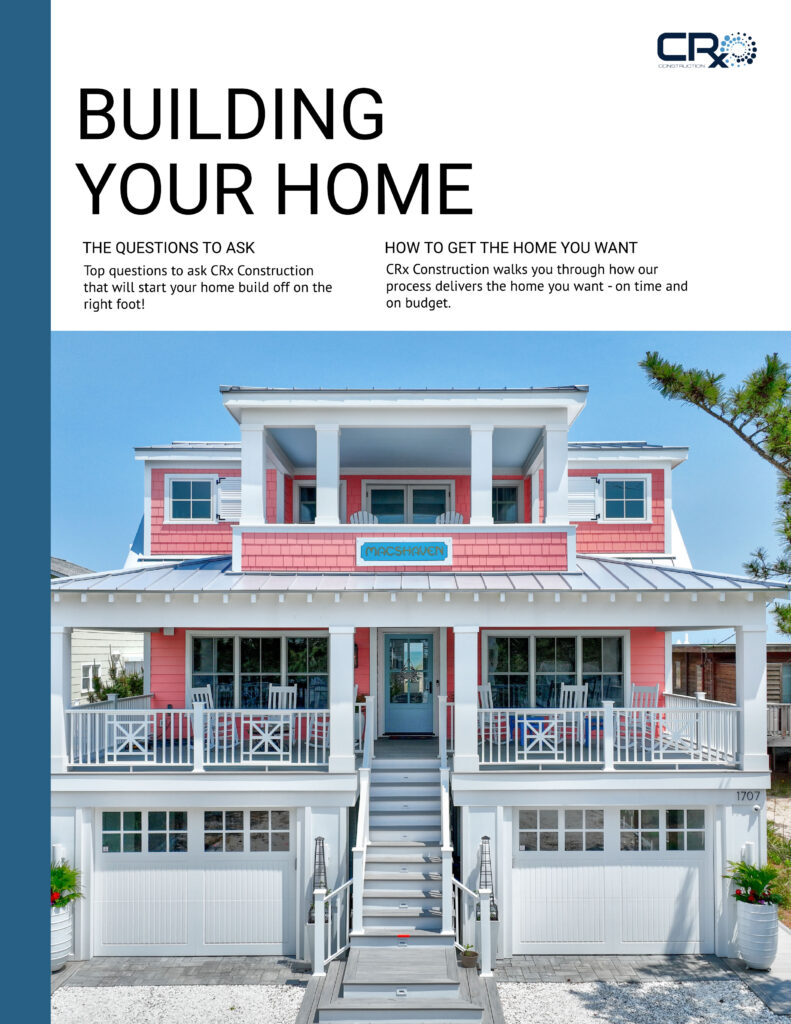
| 03 | Foundation type | Open pilings usually favor the rate | High — a build/rebuild choice |
| 04 | Elevated mechanicals | Equipment above flood level lowers risk | High — can be retrofitted |
| 05 | Flood vents | Relieve pressure in an enclosure | Moderate — can be added |
| 06 | Deductible chosen | Higher deductible, lower premium | High — a policy decision |
| 07 | Community CRS rating | Discounts from 5% to 45% | Community-wide, not individual |
The Elevation Certificate: Still Worth Having
An Elevation Certificate is a document prepared by a licensed surveyor that records exactly how high your home’s lowest floor sits relative to the base flood elevation. Under the current pricing approach it is no longer strictly required to buy a policy, but it can still work in your favor.
If your home is elevated well above the flood level, an Elevation Certificate is the proof that can support a lower rate, and it is often needed for floodplain permitting and to qualify for Community Rating System benefits. For an elevated coastal home, it is usually money well spent. Your insurance agent can tell you whether one will help in your specific case.
How Community Participation Helps Everyone
The Community Rating System is a voluntary program in which a town earns credit for floodplain management that goes beyond the federal minimum — better drainage, stricter building standards, public outreach and more. In return, every flood policyholder in that community receives a discount, scaled from 5% to as much as 45% based on the credits earned.
This is one reason it pays to understand the community you are building or buying in along the Delaware coast. A well-managed floodplain community lowers the cost of ownership for everyone in it, year after year, with no action required from the individual owner beyond carrying the policy.
Building and Buying Decisions That Affect Your Rate
Here is the throughline of everything above: the flood premium is largely set before the policy is ever written, by how the home is designed and built. Elevation, foundation type and the height of the lowest floor are construction decisions, and they follow the home for its entire life.
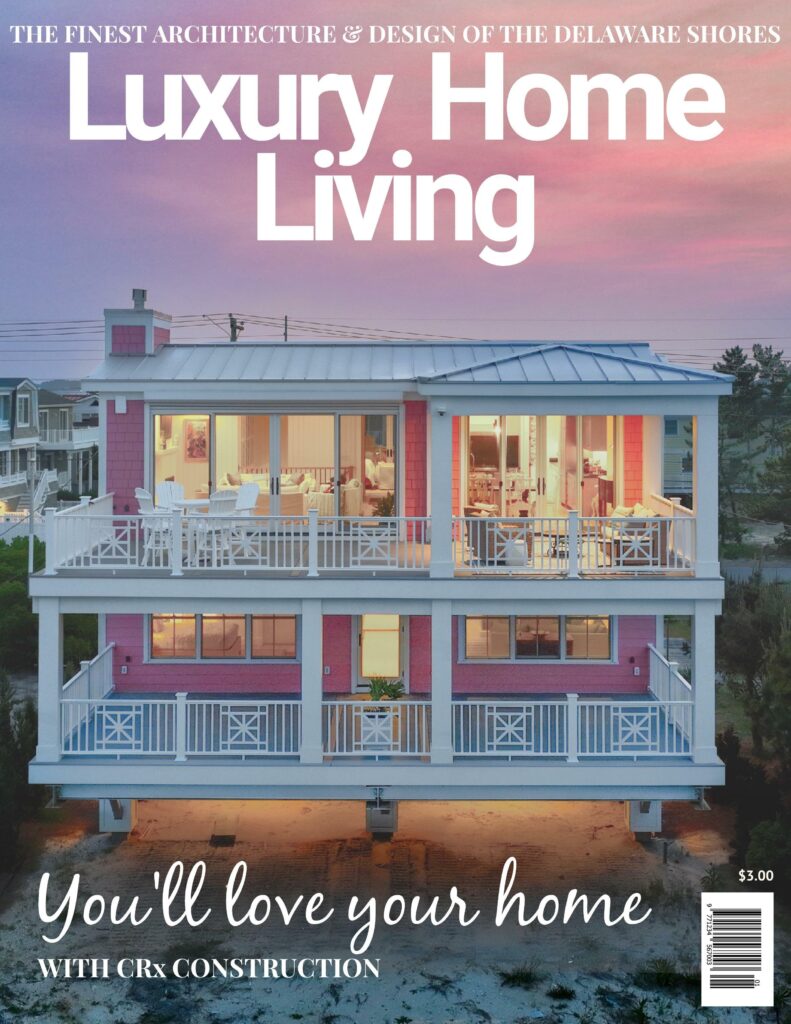
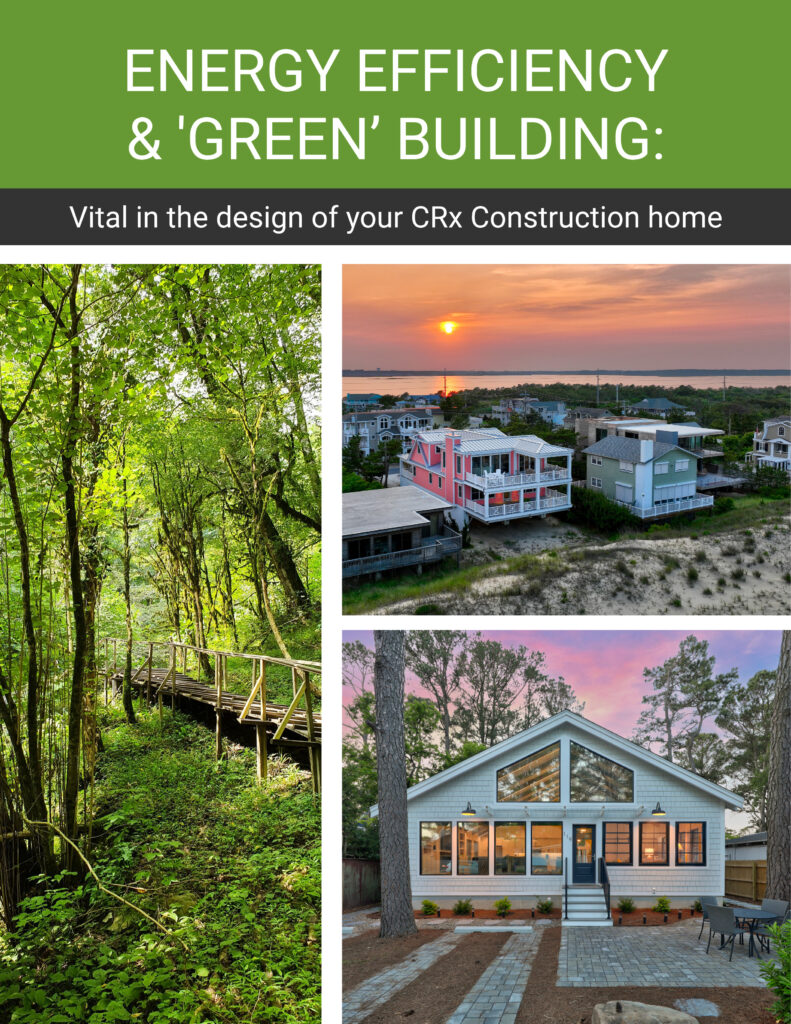
This is where working with a builder who understands coastal Delaware pays off long after move-in. Our founder, Dion Lamb, has spent years building on the water, and that experience shapes how every home is sited and elevated. When we build or elevate a home in Rehoboth Beach or the surrounding towns, decisions about first-floor height, open foundations and elevated mechanicals are made with the flood environment in mind. Those same decisions are what an insurer rewards. You can see how that approach carries through our completed custom homes, and it applies just as much to a thoughtful home remodeling or elevation project on an older beach house.
Delaware Flood Insurance FAQ
How much does flood insurance cost for a Delaware beach home?
+
It varies widely by property. Nationally the average NFIP premium is around $1,000 a year, and Delaware’s statewide average tends to sit somewhat below that. A specific beach home, though, can pay anywhere from a few hundred to a couple of thousand dollars, depending mostly on its elevation, distance to water and how it is built.
Do I have to carry flood insurance on a coastal Delaware home?
+
If your home is in a high-risk flood zone and has a federally backed mortgage, your lender will require it. More than a fifth of Sussex County properties sit in an identified floodplain. Standard homeowners insurance does not cover flood damage, so flood coverage is a separate policy that many coastal owners carry even when it is not mandatory.
What lowers a flood insurance premium the most?
+
Elevation is the biggest lever — how high the lowest floor sits above the base flood elevation. Elevating mechanical equipment, adding flood vents to enclosed lower areas, choosing a higher deductible, and living in a community with a strong Community Rating System discount all help too. Most of these trace back to how the home is built.
What is Risk Rating 2.0 and how does it price my home?
+
Risk Rating 2.0 is FEMA’s current NFIP pricing approach. Instead of grouping everyone in a flood zone at one rate, it prices each property on its own traits — distance to water, ground elevation, first-floor height, foundation type and replacement cost. A well-elevated, well-built home is usually priced more favorably than a low, dated one nearby.
Do I still need an Elevation Certificate?
+
It is no longer strictly required to buy an NFIP policy, but it can still help. An Elevation Certificate documents how high your lowest floor sits and can support a lower rate for an elevated home. It is also often needed for floodplain permitting and to qualify for Community Rating System benefits. Ask your agent whether one helps your case.
Is NFIP or private flood insurance better for a beach home?
+
It depends on the home. The NFIP offers standardized federal coverage with set limits, while private insurers may offer higher limits or a different price for some higher-value coastal homes. It is worth having an agent quote both, since the better option depends on the specific property, its elevation and its value.
Does building higher really reduce insurance costs?
+
Yes. The height of the lowest floor above the base flood elevation is one of the strongest factors in the rate. A home elevated above the required level is treated as lower risk. Because elevation is a construction decision, building higher from the start — or elevating an older home — can lower the premium for the life of the house.
Can an older beach home be elevated to reduce flood risk?
+
Often, yes. Raising an existing home, elevating its mechanical systems, or rebuilding on an open foundation are all ways to reduce flood risk and potentially the premium. These are significant projects best planned with a builder experienced in coastal construction, who can weigh what is practical for a given house and lot.
Build for the Coast, and the Premium Follows
Flood insurance is a fact of life on the Delaware shore, but the number on the bill is not fixed by fate. It is shaped by decisions about elevation, foundation and first-floor height — the same decisions that make a coastal home safer and more durable in the first place. Build it right, and the insurance tends to follow. It is the standard behind every coastal home we build.
CRx Construction builds and elevates homes for the coastal Delaware environment. To talk through a new build or an elevation project, call 302-864-7377 or schedule your Idea Session, and confirm your policy specifics with a licensed flood insurance agent.

Dion Lamb is the founder and President of CRx Construction, a luxury custom home builder and remodeler serving Rehoboth Beach, Dewey Beach, Lewes, Bethany Beach, and Fenwick Island, Delaware. Since founding CRx in 2016, Dion has led the firm to a #1 Houzz ranking in Rehoboth Beach and Dewey Beach and a 5-star reputation, guiding homeowners through his trademarked “5 Simple Steps” design-build process. CRx is a member of NAHB, the Home Builders Association of Delaware (HBADE), and the Certified Luxury Builders Network, and a Regal Award winner for Best Luxury Custom Home Design.