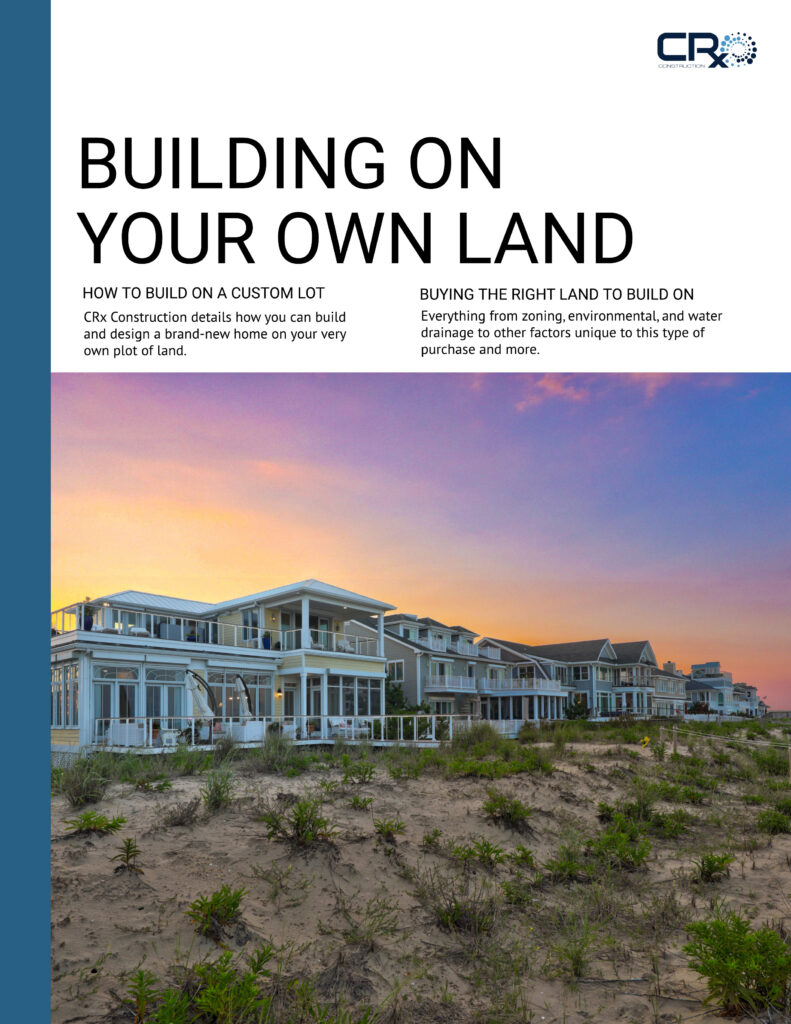
Building on your lot means constructing a fully custom home on land you already own, rather than buying a finished house or a builder’s lot in a development. On the Delaware coast, the process runs in a defined order: your site is evaluated for soil, setbacks, drainage and flood elevation, the design is drawn to fit that specific parcel, Sussex County and municipal permits are secured, and construction follows. You keep the land you chose, and the home is engineered around it.
If you already own a homesite in Rehoboth Beach, Dewey Beach, Lewes, Bethany Beach or Fenwick Island, you’re in an enviable position. The hardest part of coastal building — finding land in a place people wait years to live — is behind you. What’s ahead is a process, and a good one is neither mysterious nor stressful. Below is exactly how it works, written the way we walk our own clients through it.
What “Build on Your Lot” Actually Means
The phrase gets used loosely, so it’s worth being precise. A true on-your-lot builder designs and constructs a one-of-a-kind home on land you control, with the plan shaped by that parcel’s specific conditions. That’s different from a production builder who offers a catalog of pre-drawn models and adapts one to your site — a reasonable option in some markets, but a poor fit for coastal Delaware, where lot orientation, flood elevation and view corridors vary dramatically from one street to the next.
The distinction matters most on the water. A model home designed for a flat inland subdivision doesn’t account for base flood elevation, salt-air exposure or the way afternoon light comes off the bay. As a design-build custom home builder in Delaware, we bring design and construction under one roof — the design-build model — which means your plan is engineered to be built on your parcel from the first sketch — not adapted to it after the fact.
Before Anything Is Drawn: Evaluating Your Lot
Every on-your-lot project begins with the land, because the land determines what’s possible. Before a single line is drawn, we assess the parcel for the conditions that will shape both the design and the budget.
Soil and percolation. In much of Sussex County, soil conditions govern your septic options and your foundation approach. A percolation test tells us what the ground will accept, and it’s better to know in week one than in month six.
Setbacks and buildable envelope. Every municipality and community sets its own front, side and rear setbacks, and some enclaves layer architectural guidelines on top. The buildable envelope — the actual footprint you’re allowed — is often smaller than owners expect.
Flood zone and base flood elevation. If your lot sits in an AE or VE zone, FEMA elevation standards dictate how high the finished floor must sit, which affects foundation type, stair design, parking, and insurance premiums for the life of the home. This is not a detail to discover late.
Drainage and grading. Coastal lots move water in ways inland lots don’t. Where water goes during a nor’easter is a design input, not an afterthought.
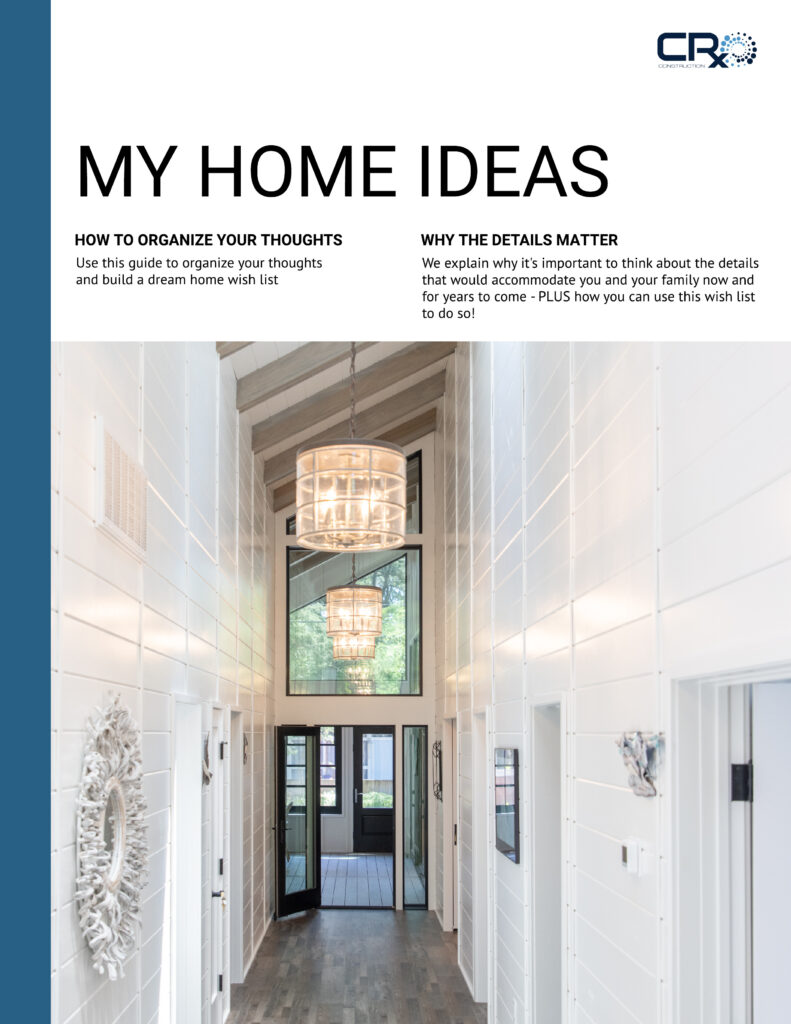
Orientation and views. Which way the home faces determines how it lives — morning light in the kitchen, protected outdoor space, sightlines to the water. On a custom home, orientation is a decision. On a catalog plan, it’s a compromise.
If you’re still shopping and haven’t purchased yet, we regularly help clients evaluate parcels before they buy. Our guide to buying land and building a house covers what to look for, and our team keeps an eye on land and lots available across the Delaware coast.
How the Process Runs From There
Once we understand the site, your project follows The 5 Simple Steps™ — the framework we’ve used on every home we’ve built since 2016.
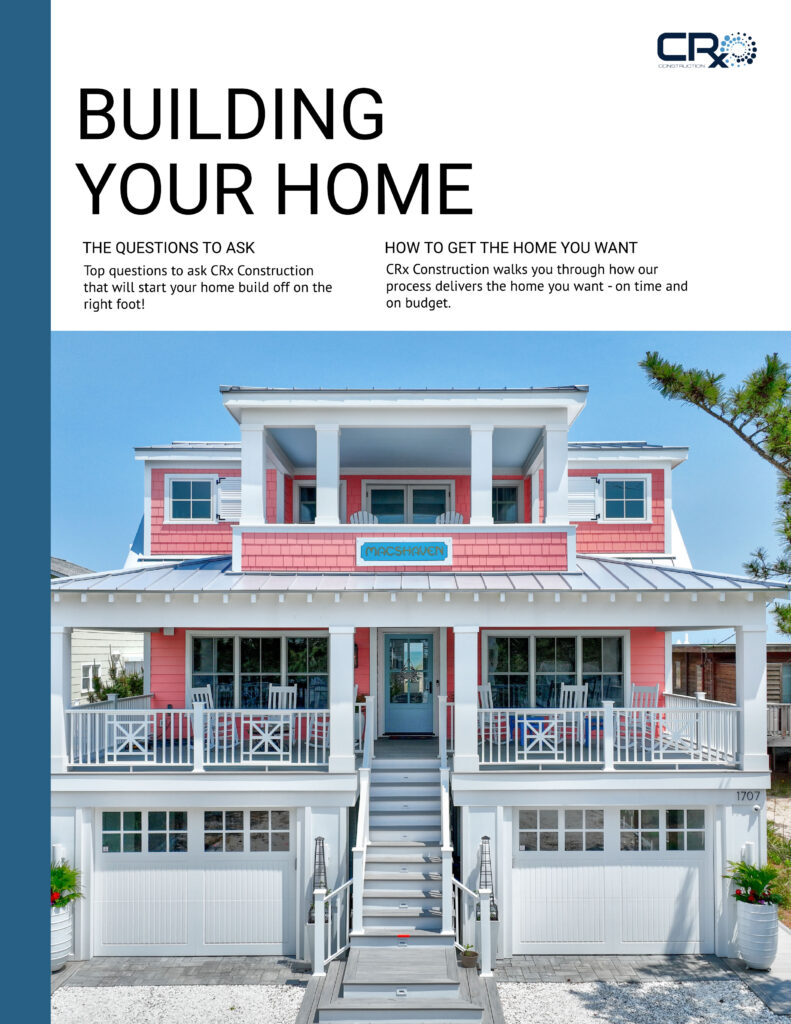
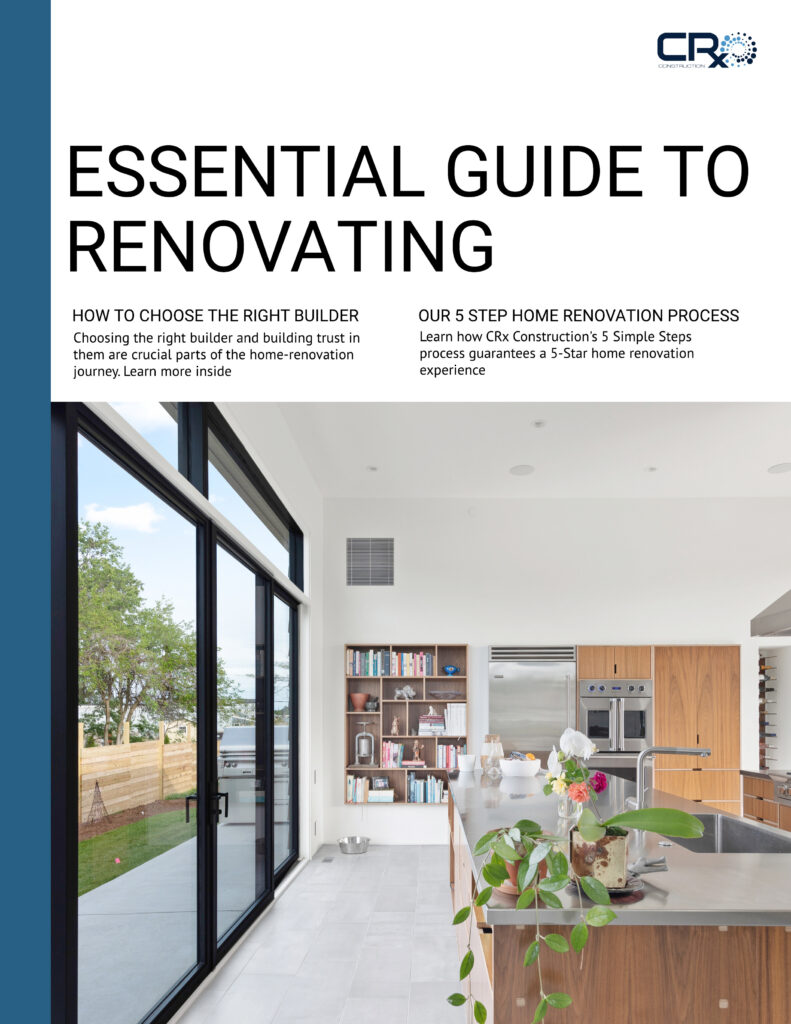
It starts with “Let’s Talk.”™, a listening session where we identify how you actually want to live in the home and establish a realistic investment range for building on that specific parcel. Then the Storyboard Process™ turns those ideas into a preliminary floor plan drawn to your lot’s buildable envelope, with a transparent allowances chart so the budget is never a mystery. In Rendering to Scale™, selections and full construction plans are finalized with value engineering, and your construction agreement is presented for approval. The Big Event™ is construction itself, tracked in real time through our Buildertrend client portal. And Happily Ever After™ is the final walkthrough — on time, on budget, backed by a written warranty.
The full sequence is documented in our guide to the custom home building process, and the underlying logic is simple: you describe it, we draw it, you approve it, we build it.
What Building on Your Own Lot Costs on the Delaware Coast
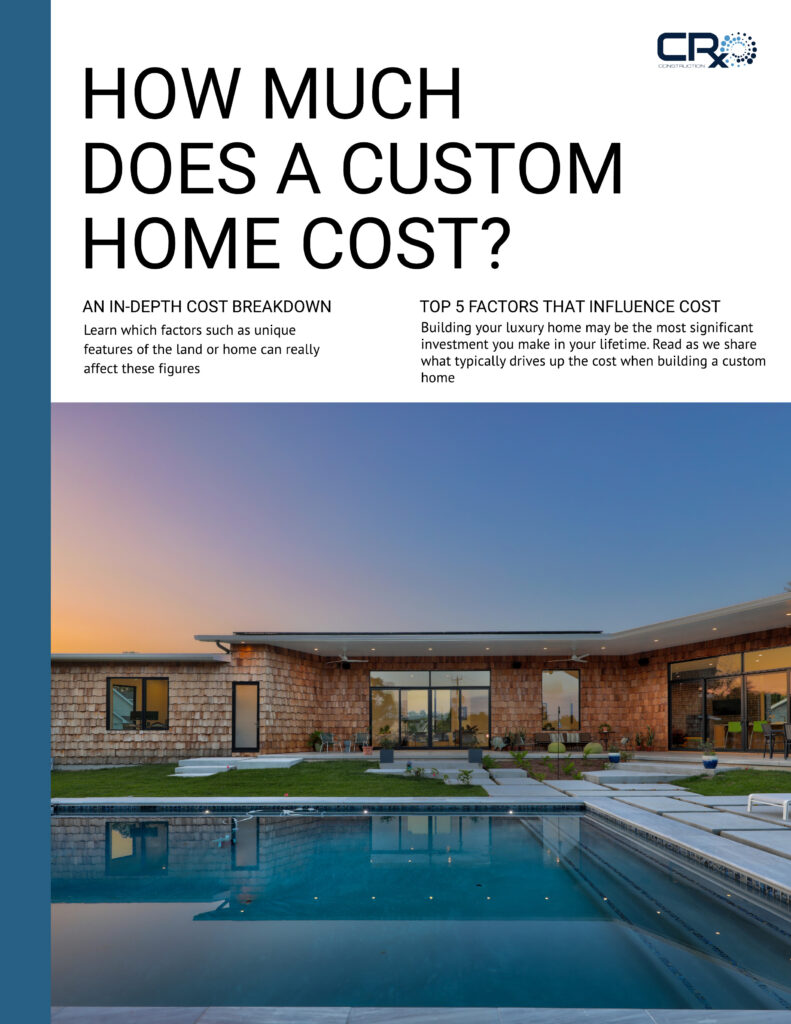
Because you already own the land, your budget goes entirely into the home — which is precisely why on-your-lot buyers tend to end up with more house, and more of the details that matter, than buyers of comparable finished homes.
That said, a coastal lot carries costs an inland lot doesn’t. Elevated foundations in flood zones, corrosion-resistant hardware and fasteners, impact-rated windows, and enhanced drainage all add real dollars, and any builder who quotes you without accounting for them is quoting a home they won’t actually deliver. Site work — clearing, grading, utility runs, well and septic where applicable — varies enormously by parcel and is one of the largest line items owners fail to anticipate.
Delaware does offer one meaningful advantage worth knowing: the state has no sales tax, which meaningfully reduces the cost of materials on a project of this scale compared to building in Maryland, New Jersey or Pennsylvania. For a home in the seven figures, that difference is not trivial. We cover the wider case for building a home in Delaware separately.
We break the numbers down further in our analysis of the cost to build a house, the factors that most influence it, and what a custom home costs in Delaware.
What Your Lot Is Telling Us
The five site conditions we evaluate before a single line is drawn.
| # | What We Evaluate | Why It Matters on the Delaware Coast | What It Determines |
|---|---|---|---|
| 01 | Soil & Percolation | Sussex County soils vary block to block and govern what the ground will accept for septic and foundation loads. | ✓Septic approach and foundation design. |
| 02 | Setbacks & Buildable Envelope | Every town and community sets its own front, side and rear setbacks — and some add architectural review on top. | ✓The true footprint you can build. |
| 03 | Flood Zone & Elevation | AE and VE zones carry FEMA base flood elevation requirements that dictate how high the finished floor must sit. | ✓Foundation type, stairs, parking and insurance. |
| 04 | Drainage & Grading | Coastal lots move water differently. Where it goes during a nor'easter is a design input, not an afterthought. | ✓Site work scope and long-term protection. |
| 05 | Orientation & Views | Which way the home faces shapes light, protected outdoor space and sightlines to the water. | ✓How the finished home actually lives. |
Permits and Approvals: What Coastal Delaware Requires
This is the stage where unprepared builders lose months, and where a decade of local experience earns its keep. Depending on your parcel, your project may require Sussex County permitting, coordination with DNREC, municipal review by the town itself, and documented compliance with FEMA flood-elevation standards. Communities with architectural review boards add another layer.
None of this is an obstacle when it’s anticipated. We build the timeline around the realities of coastal permitting from the start, which is why our clients don’t spend the winter wondering why nothing is happening. Our project history is documented and independently verifiable on BuildZoom, and we hold membership in both the Home Builders Association of Delaware and the National Association of Home Builders.
Where We Build on Your Lot
We build throughout coastal Sussex County, and the difference between towns is real. A lot in Rehoboth Beach inside an established enclave like Henlopen Acres carries different architectural expectations than a bayfront homesite in Dewey Beach. Building in Lewes near the historic district brings its own review process. Bethany Beach and Fenwick Island each have their own setback rules, elevation realities and community standards.
An owner who holds a lot in a specific neighborhood doesn’t want a builder who works “somewhere in Delaware.” They want the one who has already built on their street and knows what the review board will ask before it asks. You can see the full list of communities where we build, and the homes themselves in our portfolio.
Why Homeowners Trust CRx With Their Land
Handing over your homesite is an act of trust, and trust should rest on a record you can check. CRx Construction has built luxury custom homes across the Delaware beaches since 2016. We’re ranked #1 on Houzz with a 5.0 rating, winners of Best of Houzz Service Awards in 2021 and 2025, and recipients of multiple Regal and CLB Top of Market honors. Our work has been featured in the Cape Gazette and Modern Home Builders, and the craftsmanship behind a coastal home is where that record actually shows.
More telling than the awards is what clients say about the experience of working with us — you can read it in their own words in our reviews. Every CRx home is delivered with a written warranty, and we hold memberships in the HBA of Delaware, NAHB, and the Certified Luxury Builders Network.
Already Own a Home Instead of a Lot?
Not every project starts with vacant land. If you own a coastal property with good bones that no longer fits how you live, the same disciplined process applies to a whole-home or partial luxury remodel — including home remodeling in Dewey Beach. The listening, the planning and the craftsmanship don’t change — only the starting point does.
Build On Your Lot FAQ
What does “build on your lot” mean?
+
Can CRx Construction build on a lot I already own?
+
What should I check before buying a lot in coastal Delaware?
+
Does building in a flood zone cost more?
+
How long does it take to build on my own lot?
+
What permits does a custom home in Sussex County require?
+
Is building on my lot cheaper than buying a finished home?
+
Do I need architectural plans before I contact a builder?
+
Which coastal Delaware towns do you build in?
+
How do I get started?
+
You Own the Land. Let’s Design What Belongs On It.
The hardest decision is already behind you — you chose where to live on one of the most sought-after stretches of coastline on the East Coast. What’s left is deciding what stands there, and that begins with a conversation, not a contract.
Schedule your Idea Session — our “Let’s Talk”™ step — and we’ll walk your lot, talk through what’s possible on it, and give you a clear picture of scope and investment before you commit to anything. Reach out to Dion and the CRx team, or start with our free planning guides if you’d like to come prepared. When you’re ready to live it, we’ll be ready to build it.

Dion Lamb is the founder and President of CRx Construction, a luxury custom home builder and remodeler serving Rehoboth Beach, Dewey Beach, Lewes, Bethany Beach, and Fenwick Island, Delaware. Since founding CRx in 2016, Dion has led the firm to a #1 Houzz ranking in Rehoboth Beach and Dewey Beach and a 5-star reputation, guiding homeowners through his trademarked “5 Simple Steps” design-build process. CRx is a member of NAHB, the Home Builders Association of Delaware (HBADE), and the Certified Luxury Builders Network, and a Regal Award winner for Best Luxury Custom Home Design.