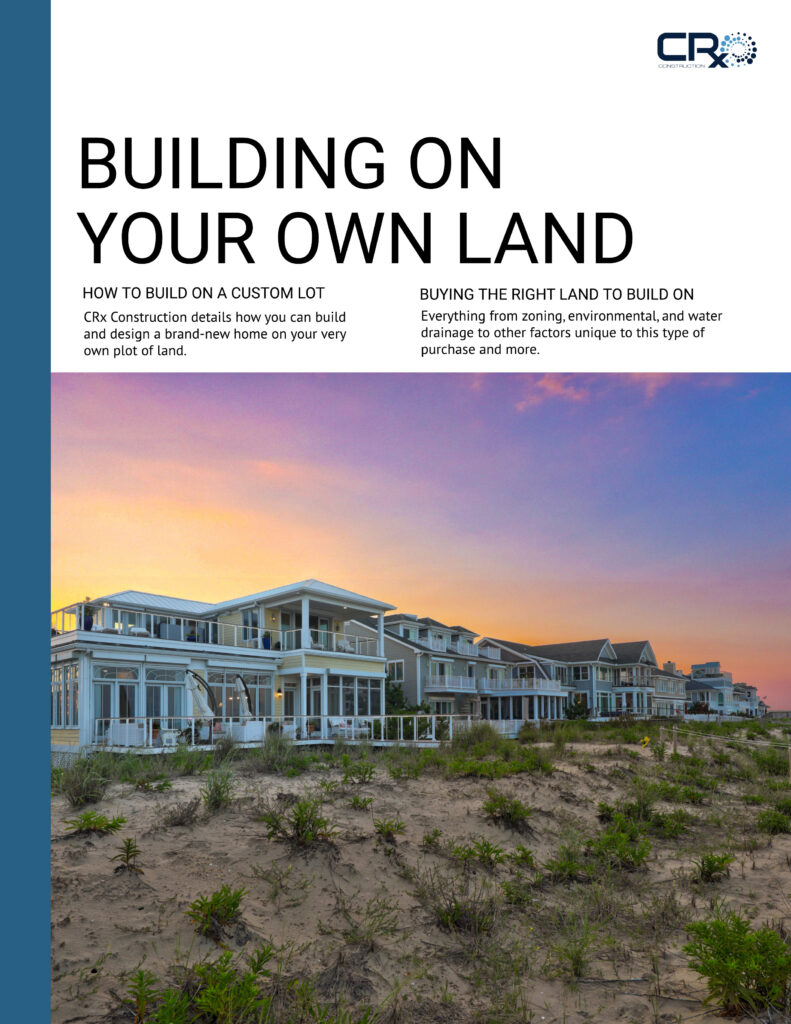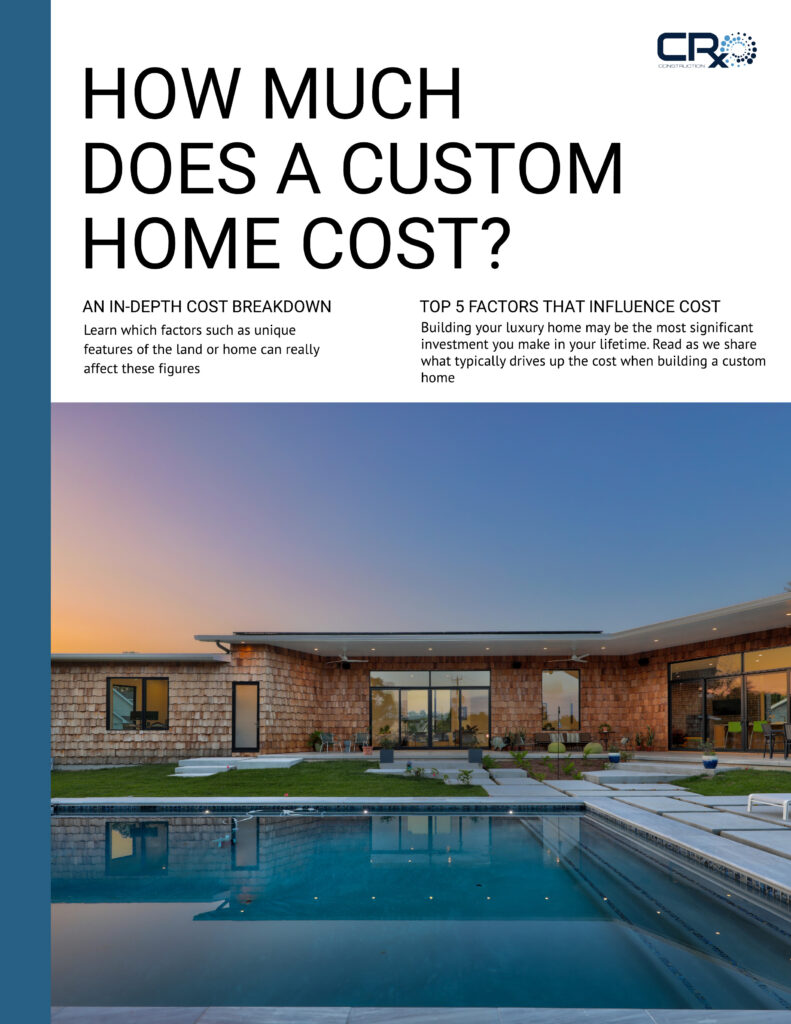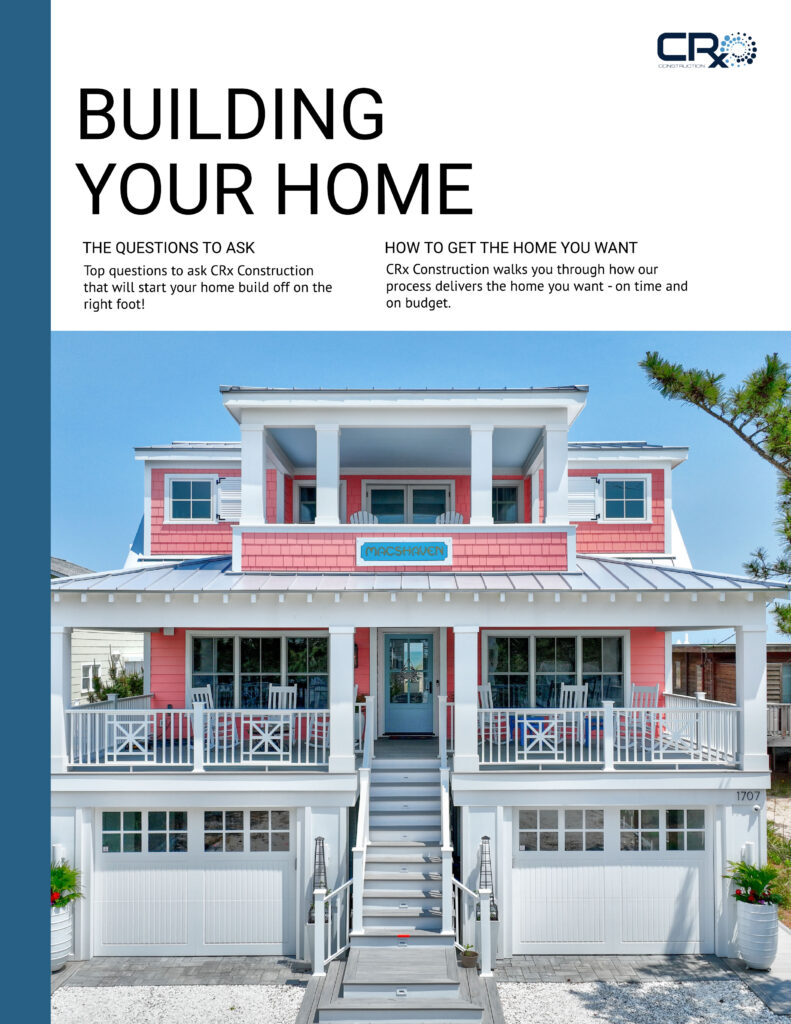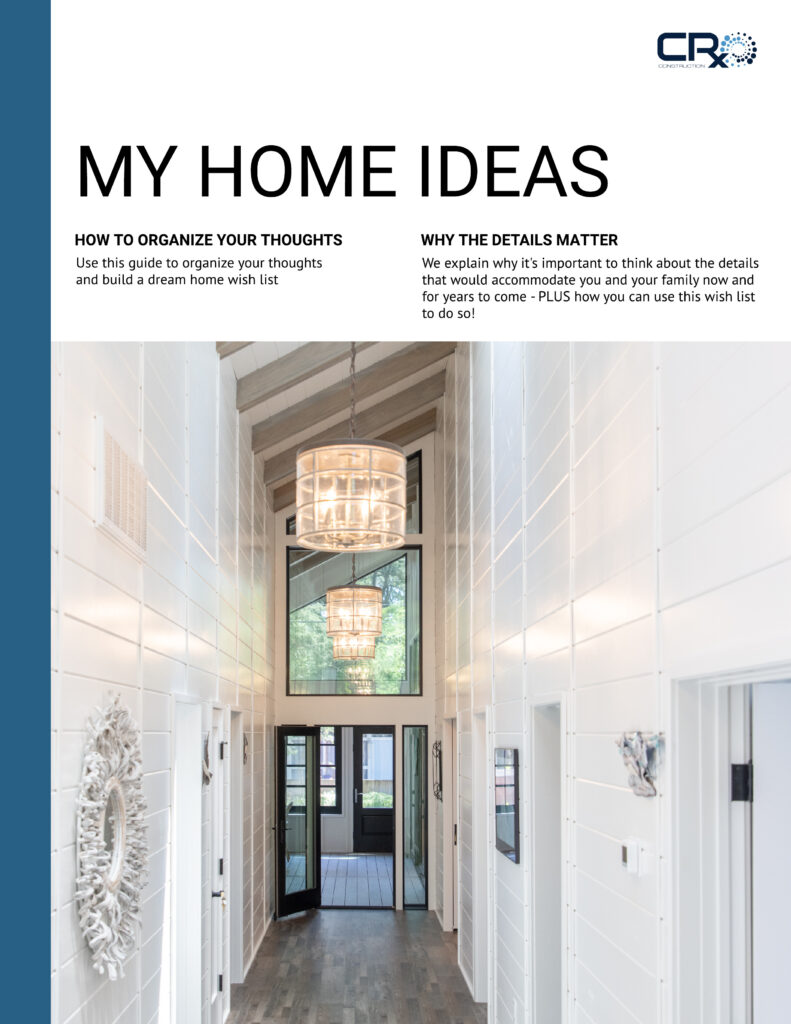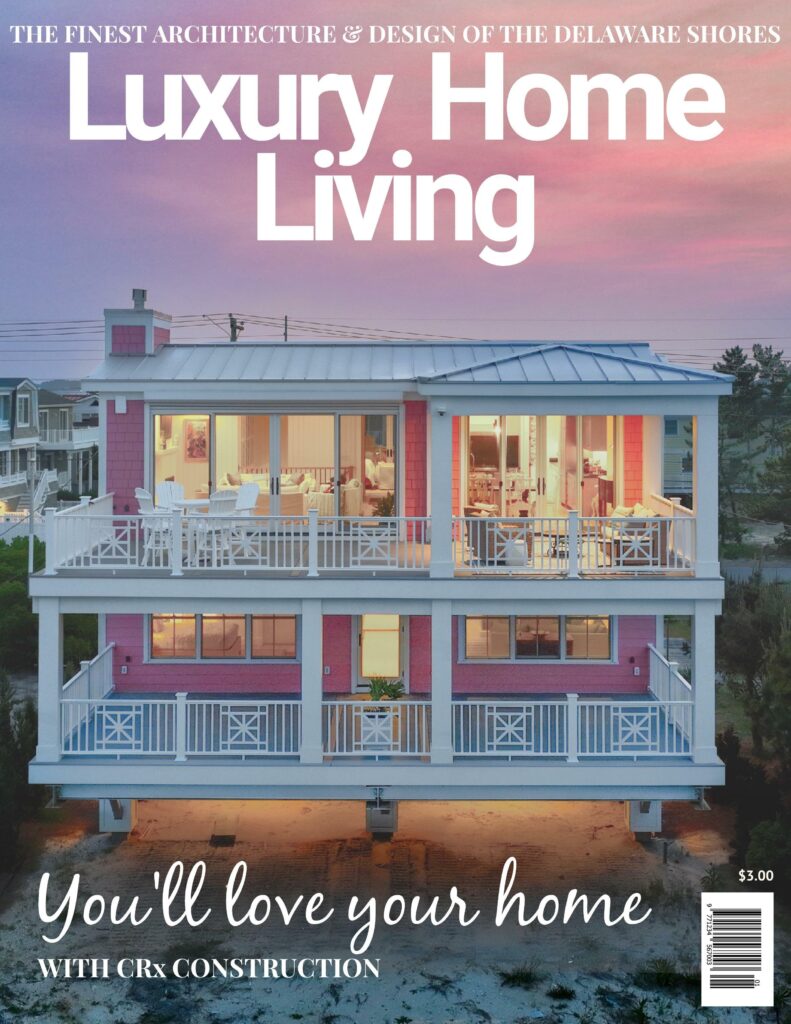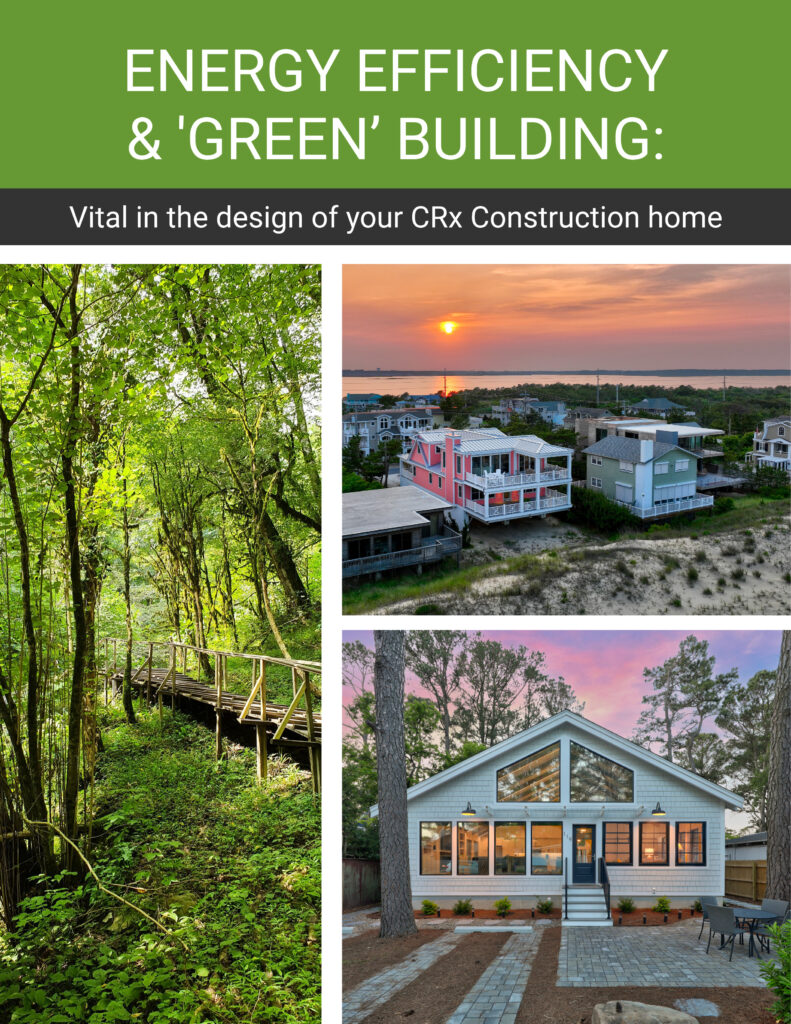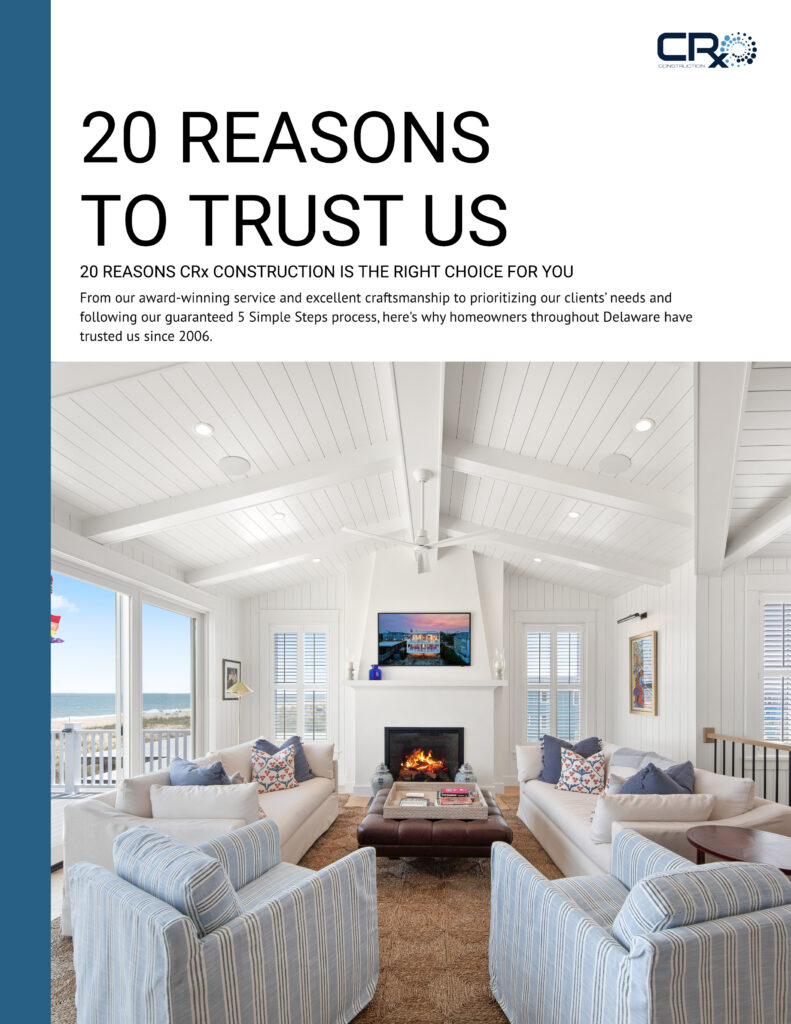
Building a second home in Delaware means creating a coastal retreat within an easy drive of the mid-Atlantic cities, designed for how you actually use it — weekends, summers and holidays rather than daily life. For buyers from Washington, Baltimore, Philadelphia and New York, it is a chance to build low-maintenance, lock-and-leave living on the Sussex County shore, often managed largely from home.
A second home is a different project from a primary residence. It carries different priorities, a different rhythm of use, and one practical wrinkle most first-time coastal buyers underestimate: you will build much of it from somewhere else. This guide walks through what building a second home on the coastal Delaware shore really involves, from the buyer’s point of view.
Second-Home Priorities at a Glance
What tends to matter most when a coastal Delaware home is a second home, not a primary one.
| No. | Priority | Why It Matters for a Second Home | How It Shapes the Build |
|---|---|---|---|
| 01 | Low maintenance | Carefree when you are away | Durable, salt-tolerant materials |
| 02 | Lock-and-leave | Empty for stretches at a time | Smart systems, secure envelope |
| 03 | Guest capacity | Family and friends visit often | Extra suites, flexible rooms |
| 04 | Indoor-outdoor flow | The coast is the reason you came | Porches, decks, connected living |
| 05 | Beach-life storage | Sand, gear and guests add up | Mudroom, outdoor shower, storage |
| 06 | Remote management | You build it from out of state | Clear process and client portal |
| 07 | Future flexibility | May become a retirement home | Main-level living, accessibility |
Why Coastal Delaware Draws Second-Home Buyers
The pull of the Delaware coast is simple: it is close. From much of the Washington and Baltimore corridor it is a manageable drive, and it stays within reach of Philadelphia and New York for a long weekend. That drive-to convenience is what makes a Delaware beach house a home you will actually use, not one you visit twice a year.
Add a quieter pace, wide beaches, tax-friendly ownership, as outlined by Delaware’s Division of Revenue, and a strong community of seasonal residents, and it is easy to see why the region has become a favorite for out-of-state buyers. Many start as renters or visitors and decide they want something of their own. Building it with a Delaware custom home builder is how they get a home shaped to them rather than settling for whatever is on the market.
What Makes a Second Home Different to Build
A primary home has to do everything, every day. A second home has a narrower job: to be effortless when you are there and worry-free when you are not. That single distinction changes almost every design decision.
You will likely prioritize low-maintenance materials, generous space for guests and extended family, and a layout built for gathering rather than routine. Storage for beach gear, an outdoor shower, a mudroom by the entry, and durable finishes that shrug off sandy feet and salt air matter more here than in a typical suburban build. And because the home may sit empty for stretches, it should be designed to be closed up and left with confidence.
Building Remotely From Out of State
The part that intimidates most buyers is managing a build from a few hours away. It is a valid concern, and it is also a solved problem when you work with a builder set up for it.
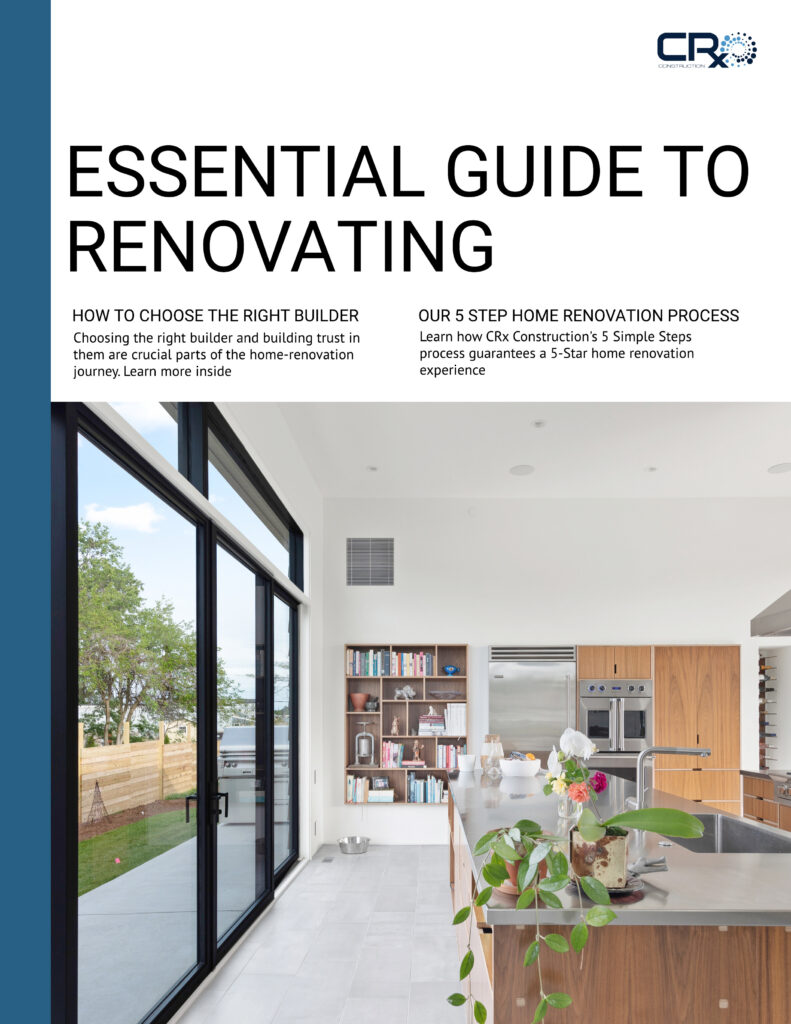
The key is a clear process and steady communication. At CRx Construction, the 5 Simple Steps™ process gives an out-of-state client a defined path with known decision points, so there are no surprises and no need to be on site constantly. A client portal keeps selections, schedules and progress in one place you can check from home. Regular updates and photos mean you watch the home take shape from your desk in the city, and visit for the moments that matter rather than to chase down status.
Designing for How You’ll Actually Use It
The best second homes are designed around a realistic picture of their use. Will it host a rotating cast of family and friends through the summer? Serve as a holiday gathering place? Eventually become a retirement home? Each answer points to different choices in bedrooms, bathrooms, gathering space and accessibility.
Entertaining and multigenerational use are common threads. Open kitchens that connect to living and outdoor space, bedroom suites that give guests privacy, and flexible rooms that flex between office, bunk room and den all earn their keep in a coastal second home. Designing for the real pattern of use — not a generic floor plan — is exactly what a custom coastal home makes possible.
Choosing Where to Build on the Coast
Coastal Sussex County offers a range of settings, each with its own character — from lively beach towns to quieter bayside enclaves. The right one depends on how you picture spending your time: walkable to the boardwalk, tucked into a golf and country club community, or set back on a wooded lot near the water.
Exploring where we build across the region is a good way to narrow it down before committing to a lot. If you have not secured land yet, guidance on finding the right parcel is part of the journey, and reviewing available land in Delaware early keeps the design and the site aligned from the start.
Lock-and-Leave, Low-Maintenance Living
The freedom of a second home is that you can close the door and drive home without a running list of chores waiting for your return. Designing for that freedom is a discipline of its own.
Low-maintenance exteriors, quality windows and doors, a tight building envelope and considered mechanical systems all reduce the upkeep that would otherwise pile up between visits. Smart-home features let you monitor and control the house from the city — temperature, security, leaks — so the home effectively looks after itself while you are away. Built well, a coastal home asks for cleaning and enjoyment, not constant repair — the standard we hold on every home we build in Rehoboth Beach and the surrounding towns.
Building for the Coastal Environment
Salt air, humidity, wind and sun are hard on a home, and a second home that sits unattended has to take it without a caretaker on hand. That is why the envelope and the materials matter even more here than in a full-time residence.
Durable siding and trim, corrosion-resistant hardware, quality roofing and finishes chosen for the marine environment keep the home sound through the seasons. This is where craftsmanship pays off long after the build, in a home that stays tight, dry and handsome with minimal intervention. For an older property, the same thinking applies to a home remodeling project that brings a dated beach house up to a carefree standard.
From Out-of-State Buyer to Coastal Homeowner
The path from “we love it here” to holding the keys is more approachable than most buyers expect when it is guided well. It starts with a conversation about how you want to use the home, moves through design and site selection, and carries into a build managed with your schedule and distance in mind.
Our founder, Dion Lamb, has guided many out-of-town clients through exactly this journey, and the 5 Simple Steps™ process exists to make it clear and calm rather than overwhelming. You can get a feel for the results across our completed custom homes — each one built for the way its owners actually live on the coast.
Plan Your Coastal Home With Confidence
Explore CRx Construction’s complimentary planning guides for practical guidance before your design and build begins.
Building a Second Home FAQ
Can I build a second home in Delaware while living out of state?
+
Yes, and many buyers do. The key is working with a builder set up for remote clients — a clear process with defined decision points, a client portal for selections and progress, and regular updates and photos. With the right team, you can manage most of the build from Washington, Baltimore, Philadelphia or New York and visit for the moments that matter.
How is building a second home different from a primary home?
+
A second home is designed to be effortless when you are there and worry-free when you are not. That usually means low-maintenance materials, lock-and-leave systems, generous guest space, and a layout built for gathering rather than daily routine. Because it may sit empty for stretches, durability and a tight building envelope matter even more than in a full-time home.
Why do so many second-home buyers choose coastal Delaware?
+
Proximity is the big draw — the Sussex County coast is an easy drive from the Washington and Baltimore corridor and within reach of Philadelphia and New York for a long weekend. Combined with wide beaches, a relaxed pace, tax-friendly ownership and a strong seasonal community, it makes a beach house you will actually use often.
How do I keep a coastal second home low-maintenance?
+
Design for it from the start. Low-maintenance exteriors, quality windows and doors, a tight envelope, corrosion-resistant materials and smart-home monitoring for temperature, security and leaks all reduce upkeep between visits. Built this way, the home largely looks after itself while you are away and asks mostly for cleaning and enjoyment when you return.
Should I design a second home for guests and family?
+
Usually, yes. Coastal second homes tend to host a rotating cast of family and friends, so extra bedroom suites, flexible rooms that shift between office and bunk room, and open kitchens connected to outdoor space earn their keep. Designing around your real pattern of use is exactly what a custom home makes possible.
Where in coastal Delaware should I build a second home?
+
It depends on how you picture using it — walkable to the boardwalk, inside a golf and country club community, or set back on a quiet wooded lot near the water. Coastal Sussex County offers a range of settings. Exploring the towns and communities before committing to a lot helps align the site with the life you want there.
Can a second home become a retirement home later?
+
Often that is the plan. Designing with the future in mind — main-level living, accessible entries and bathrooms, and flexible rooms — lets a coastal second home transition smoothly into a full-time or retirement residence. Building that flexibility in from the start is far easier than retrofitting it years down the road.
How long does it take to build a second home on the coast?
+
It varies with the design, the site and the season, so a builder will give you a realistic timeline once the plan is set. What matters most for an out-of-state buyer is a clear schedule with defined decision points, so you know what is happening and when, and can plan your visits and selections around it rather than reacting to surprises.
What should I budget before building a second home in Delaware?
+
Start with the land, design, construction, site work, permits, utilities, furnishings and a sensible contingency. A detailed feasibility conversation before design helps align the home, lot and investment range while avoiding expensive changes later.
What should I evaluate before buying a coastal Delaware lot?
+
Review setbacks, flood-zone requirements, utilities, access, drainage, neighborhood restrictions and the buildable area. Confirming these conditions with your builder before closing helps ensure the property can support the home and outdoor spaces you envision.
Build the Coastal Retreat You Keep Coming Back To
A second home on the Delaware coast should be the easiest place you own — effortless to enjoy, simple to leave, and built for the summers, weekends and holidays that drew you here. That outcome comes from designing around your real use and building for the coastal environment, guided by a team that knows how to work with out-of-state owners.
To start planning your coastal Delaware retreat, call CRx Construction at 302-864-7377 or schedule your Idea Session and take the first step from wherever home is today.

Dion Lamb is the founder and President of CRx Construction, a luxury custom home builder and remodeler serving Rehoboth Beach, Dewey Beach, Lewes, Bethany Beach, and Fenwick Island, Delaware. Since founding CRx in 2016, Dion has led the firm to a #1 Houzz ranking in Rehoboth Beach and Dewey Beach and a 5-star reputation, guiding homeowners through his trademarked “5 Simple Steps” design-build process. CRx is a member of NAHB, the Home Builders Association of Delaware (HBADE), and the Certified Luxury Builders Network, and a Regal Award winner for Best Luxury Custom Home Design.